
 Unicaus NEWS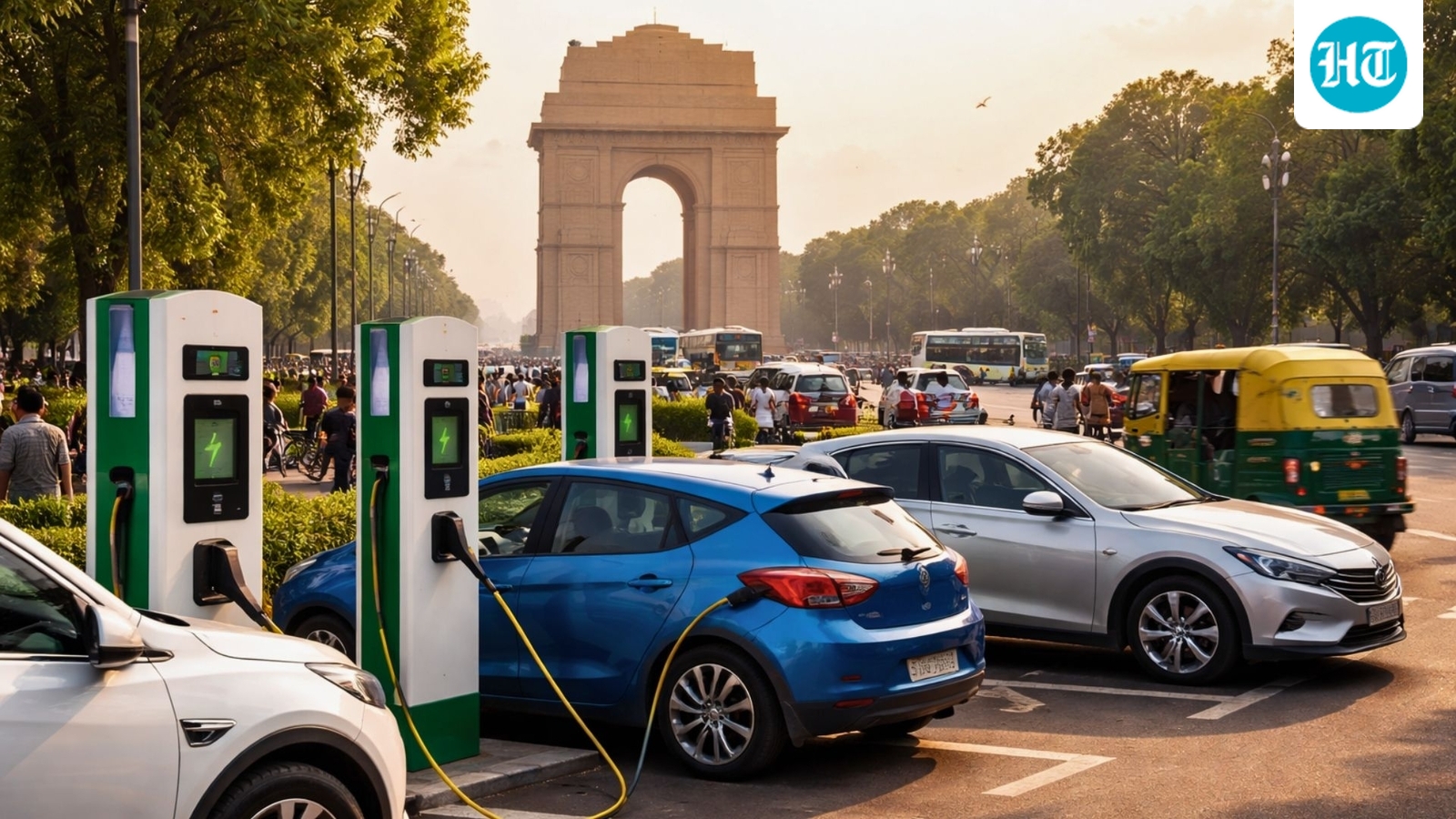
Delhi has finalised its EV policy framework, with rollout likely next fiscal. The plan focuses on incentives, charging expansion and scrapping old vehicles.
the policy focuses on three key areas: financial incentives, expansion of charging infrastructure, and phasing out highly polluting vehicles. (Representative Image)
Speaking in New Delhi, Gupta said the upcoming policy is aimed at cutting pollution levels while upgrading the city’s transport ecosystem. She underlined that vehicle emissions are a significant contributor to PM2.5 and PM10 pollution in the capital, and wider adoption of EVs would directly help lower this burden.
What the new EV policy is built around
According to the chief minister, the policy focuses on three key areas: financial incentives, expansion of charging infrastructure, and phasing out highly polluting vehicles. She said subsidies will be provided to narrow the price gap between petrol and diesel vehicles and electric alternatives. Delhi has already waived road tax and registration fees on EV purchases to make them more accessible, she added.
(Also Read: Delhi Pollution Restrictions: Are Electric and CNG Vehicles Allowed In The City?)
Gupta also announced a new incentive scheme linked to vehicle scrappage. Under this, owners who scrap old petrol or diesel vehicles will receive additional financial benefits when buying an EV. The objective, she said, is to accelerate the removal of older, more polluting vehicles from city roads.
She noted that vehicle manufacturers have been asked to ensure coordination based on demand, timely supply of vehicles, and reasonable pricing. The government, she added, is holding consultations with power distribution companies, automakers and scrap dealers. The draft policy will be released publicly to invite feedback from citizens.
(Also Read: Delhi Pollution Curbs Explained: Which Vehicles Are Allowed to Enter the City)
Charging won’t be limited to public hotspots
On charging infrastructure, Gupta said public charging points will be set up not just at prominent public locations but also near residential areas. The policy will also include provisions for battery swapping and the scientific disposal of used batteries. Vehicle owners will be given adequate time to shift to electric mobility, she said.
To strengthen the policy framework, a Group of Ministers chaired by Power and Education Minister Ashish Sood has been formed. The committee is being supported by experts from IIT Delhi and other advisers to address issues such as battery recycling and charging infrastructure, the chief minister said.
See Less