
 Unicaus NEWS
“They convinced us that we had committed a crime. Reason doesn’t work in such situations. By the end, I felt relieved that my name would be cleared of all the cases. The truth, however, dawned on me when an actual police officer explained exactly what had happened,” said Dr. Indira Taneja.
The police have arrested three persons in the case so far — two from Gujarat and one from Prayagraj — and traced around ₹4 crore, of which they have frozen ₹2 crore that was diverted to various accounts. “Two of the accused had offered their accounts for transactions on a commission while the third acted as a facilitator who provided mule accounts to the scamsters,” said an officer, adding that further probe is under way.
The first call
“The first call I received was from someone claiming to be from the Telecom Regulatory Authority of India, who told me that my number had been reported for sending sexually obscene messages,” said Dr. Indira Taneja.
After this, a person who identified himself as Vikrant Singh Rajput from Mumbai Police told her that her name was linked to a ₹500-crore scam by an NRI, which threatened India’s national security.
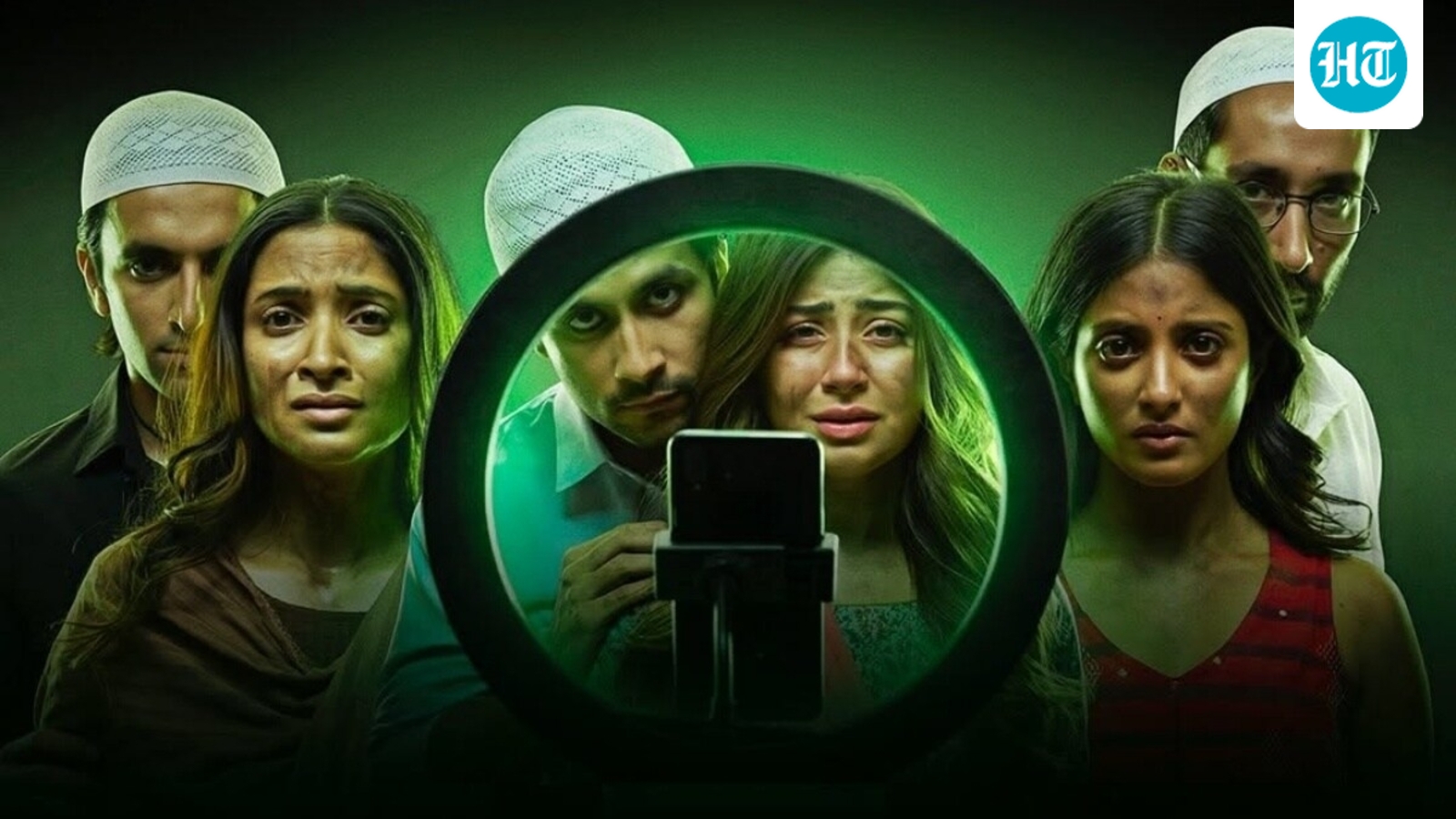
The couple was told that an arrest warrant had been issued against them, and they had to stay put on the WhatsApp video call until their names were cleared, pending investigation. Over the next two weeks, the cyberfraudsters forced the Tanejas to part with their banking information and their savings, which they were told would be “refunded” by the Reserve Bank of India.
‘Like COVID lockdown’
“It felt like the COVID lockdown all over again. They would interject even if one of us stepped away to use the washroom. They dictated to us what to tell the bank officials while transferring the money,” said Dr. Indira Taneja. The scamsters ensured that one of the two kept their phones on at all times. During spells of lull, the “officers” would enquire about their well-being, asking things like whether they had their meals, to keep the couple engaged.
‘Convincing personality’
“They were so convincing and prepared, we could not figure out that it was all part of a scam. Vikrant would notice the tiniest details about our lifestyles and use them to build trust. I am in the habit of reading seven to eight pages of the Bhagavad Gita daily. He would discuss worship rituals with me, say that he was just like our son, was due to get married in January and would visit us before the function,” she added.
Her husband said another “police officer”, who introduced himself as “Samadhan Pawar”, said he wanted to pursue engineering but had to join the police instead. “He would keep talking to me about fossils and anything remotely related to engineering,” Mr. Om Taneja said.
He added that at one point they connected them to the “Supreme Court” — replete with a judge, public prosecutor and defence lawyer — that looked “exactly like the real thing”.
‘I doubt everything now’
In 2024, 23-year-old Rohit Sharma (name changed) lost around ₹27 lakh in a similar scam. An accountant by profession, he said he is so traumatised by the event that he “questions everything around me, trying to establish the authenticity of even the smallest things”.
“The way they take control over your mind, I can assure you that even the most educated people can fall for it,” added Mr. Sharma, who was under a digital arrest for three days.
On September 20, 2024, he received a call from a courier company saying that a parcel had been booked under his name and he needed to share his details for delivery. He was first connected to an IVR system to “report” the misuse of his name, and then to a “police official” to clear his name of several charges.
“They made me navigate through the IVR to establish authenticity. An operator asked for your name and phone number. Even as I was talking, I could hear someone typing in the background,” he said.
Mr. Sharma added that the cybercriminals cited a scam that was in the news and said his name had cropped up during the investigation. “I was then connected to an ‘officer’, who took over the ‘case’ and, even before I could come to terms with what was happening, my digital arrest had begun.”
‘Well-educated victims’
“This is a well-rehearsed script that the fraudsters use in all cases. Victims are told that an arrest warrant has been issued against them and that, to get themselves cleared, they will have to pay a fee, which they will be refunded later,” said Vinit Kumar, Deputy Commissioner of Police, Intelligence Fusion & Strategic Operations (IF&SO).
Delhi saw around 57 digital arrest cases last year, significantly more than 39 in 2024. “Almost all victims are well-to-do, educated people,” the DCP added