
 Unicaus NEWS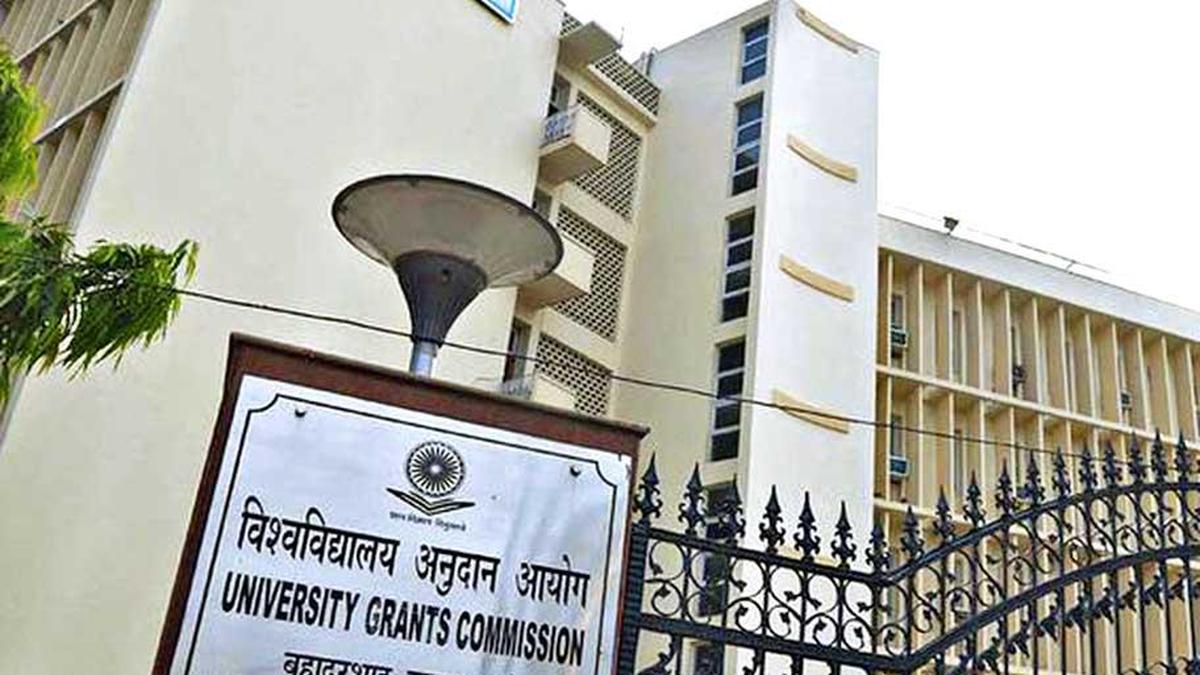
A writ petition challenging the University Grants Commission (Promotion of Equity in Higher Education Institutions) Regulations, 2026 has been filed in the Supreme Court by Mrityunjay Tiwari, a post-doctoral researcher at the Banaras Hindu University, Uttar Pradesh. His advocate, Neeraj Singh, told The Hindu, “We are trying to mention the matter in court tomorrow (Tuesday).”
Political opposition to the regulations has also grown. Rajya Sabha MP Priyanka Chaturvedi took to social media, calling for the regulations to be “withdrawn or amended as necessary”. She asked whether the provisions should not be “inclusive and ensure equal protection for everyone,” adding, “Then why is this discrimination in the implementation of the law? What happens in case of false accusations? How will guilt be determined? How should discrimination be defined—through words, actions, or perceptions?”
Uttar Pradesh Bharatiya Janata Party MLC Devendra Pratap Singh has written to the UGC, saying it should be concerned with protecting discrimination against Dalits and backward class students, and not with “making general category students feel unsafe. “The framed regulations could widen the caste-centric division and disturb the social balance,” he wrote in the letter, adding that equity is necessary, but it should not marginalise any section of students.
Student bodies have also joined the opposition. The students’ union of Kumaun University in Uttarakhand’s Nainital has submitted a letter to the UGC, saying that the regulations went against the “principle of natural justice”. In their letter, submitted through the Vice-Chancellor of the University, the students’ union said that these regulations may disturb the “balance” at university campuses and could create an atmosphere of “fear and distrust”, potentially leading to the regulations’ “misuse”.
Amid growing criticism, BJP MP from Jharkhand Nishikant Dubey said on social media that “all misconceptions” about the new regulations would soon be addressed, adding that it was the PM Narendra Modi-led Government that introduced a 10% reservation for economically weaker sections (EWS) among “poor Savarnas”. He said, “As long as Modi ji is there, no harm will come to the children of the upper castes.”
The UGC notified the 2026 regulations on January 13, updating its 2012 regulations on the same subject. The revised rules defined “caste-based discrimination” as discrimination “only on the basis of caste or tribe” against members of the Scheduled Castes, Scheduled Tribes, and Other Backward Classes, further removing a provision for punishments for false complaints, which was present in a draft circulated in 2025.
These are among the principal issues that opponents of the regulations have cited, arguing that the definition excludes students from the general category. They also said that this would create a presumption of guilt against them.
However, even as the uproar against the regulations gathered steam, some anti-caste activists have argued that the new regulations did not protect the Scheduled Caste, Scheduled Tribe, and Other Backward Classes strongly enough from the discrimination they face.
Nethrapal, a serving IRS officer, articulated this position in a thread on “X”, saying that the 2026 regulations are missing specific forms of discrimination that SC, ST, and OBC students face during specific higher education processes like admissions, interviews and oral examinations. He also alleged that omnibus equity committees would not be able to address specific discriminations faced by SC/ST students sufficiently.
In the Supreme Court petition filed by Mr. Tiwari, however, he has argued that this definition operated on an “untenable presumption” that caste-based discrimination was unidirectional, adding that “by design and operation” the definition “accords legal recognition of victimhood” to “certain reserved categories” by excluding general or upper castes from being protected from the “discrimination suffered by them”.
Meanwhile, Bareilly City Magistrate Alank Agnihotri, a 2019-batch Provincial Services Officer, resigned on Monday (January 26, 2026), citing his dissatisfaction with the UGC regulations, even as nearly a dozen local BJP members in Lucknow submitted their resignations from the party over it.