
 Unicaus NEWS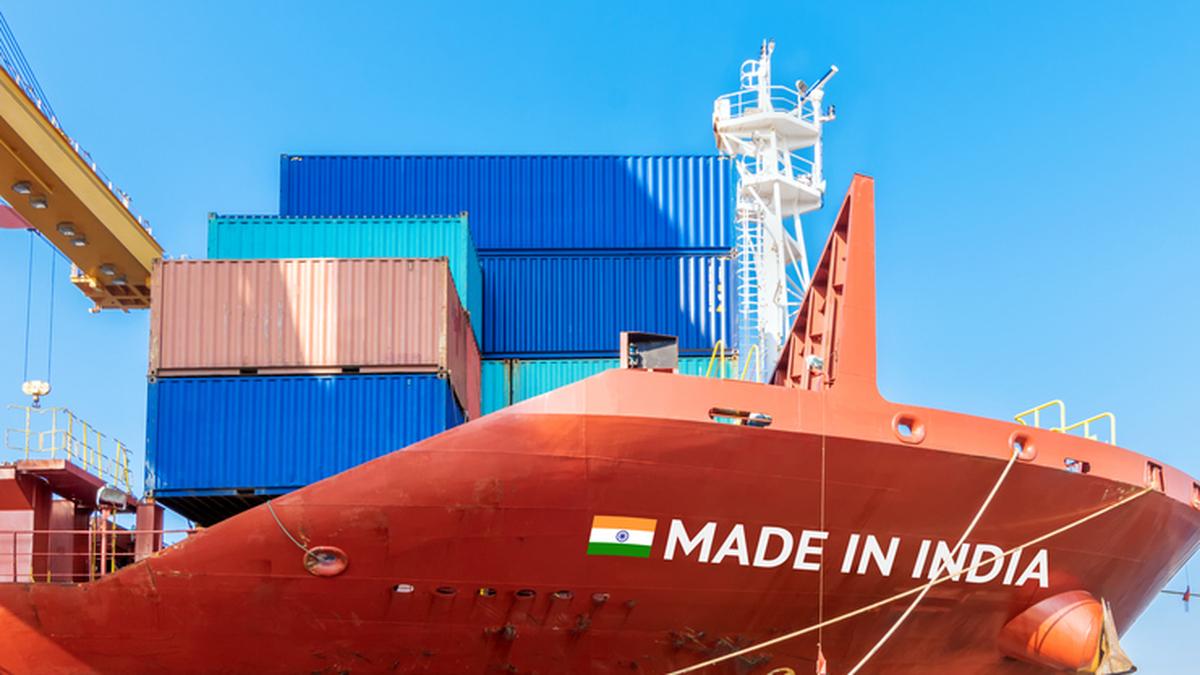
The development is important as the two sides are likely to announce the closure of negotiations for a free tarde agreement (FTA) on January 27.
According to the Official Journal of the European Union, the European Commission on September 25, 2025, laid down rules for the application of the regulation with regard to the suspension for 2026-2028 of certain tariff preferences granted to certain GSP beneficiary countries – India, Indonesia and Kenya.
“It shall apply from 1 January 2026 until 31 December 2028…,” it said.
Commenting on the development, think tank Global Trade Research Initiative (GTRI) said from January 1, 2026, India faces a “major setback” in the EU market, as 87% of its exports begin paying higher import tariffs following the European Union’s suspension of GSP (Generalised Scheme of Preferences) benefits.
Only about 13% of exports, including agriculture and leather, retain the benefits under this scheme, it said.
GSP concessions allowed Indian exporters to ship at less than MFN (most favoured nation) tariffs to EU markets. Now, concessions are suspended for 87% value of Indian goods to the EU.
In simple terms, an apparel product facing a 12% tariff paid only 9.6% under the GSP. From January 1 this year, this benefit ends, and exporters must pay the full 12% duty.
The EU has removed GSP benefits across almost all major industrial sectors – minerals, chemicals, plastics and rubber, textiles and garments, stone and ceramics, precious metals, iron and steel, base metals, machinery, electrical goods and transport equipment – which together form the backbone of India’s exports to Europe.
The EU periodically reduces these benefits, as it did earlier in 2013 and 2023. This time, the concessions have been completely withdrawn for three years from 2026 to 2028.
“While there is optimism over the conclusion of the India–EU Free Trade Agreement, Indian exporters will, in reality, confront higher trade barriers in the near term, as the loss of GSP preferences coincides with the start of the tax phase of the EU’s Carbon Border Adjustment Mechanism (CBAM),” GTRI Founder Ajay Srivastava said.
Setback for garment sector
With the FTA’s implementation likely to take at least a year, if not longer, India’s exports to the EU will face a difficult period marked by higher tariffs, rising compliance costs and weakened competitiveness, hitting exporters just as global trade conditions remain fragile, he said.
He also said that in highly price-sensitive sectors such as garments, this increase is enough to undermine India’s competitiveness and push EU buyers toward duty-free suppliers like Bangladesh and Vietnam.
The EU’s GSP is a unilateral trade arrangement that allows developing countries to export to the EU at lower-than-MFN tariffs.
Countries are grouped by income and export competitiveness, and benefits are withdrawn through ‘graduation’ once exports in a product group become large over time.
The EU’s move follows its GSP graduation rules, under which preferences are withdrawn once exports in a product group cross a threshold for three consecutive years.
“Accordingly, India has been graduated for 2026–2028 under Commission Implementing Regulation (EU) 2025/1909, adopted in September 2025. While legally justified, the economic impact is sharp,” Mr. Srivastava said.
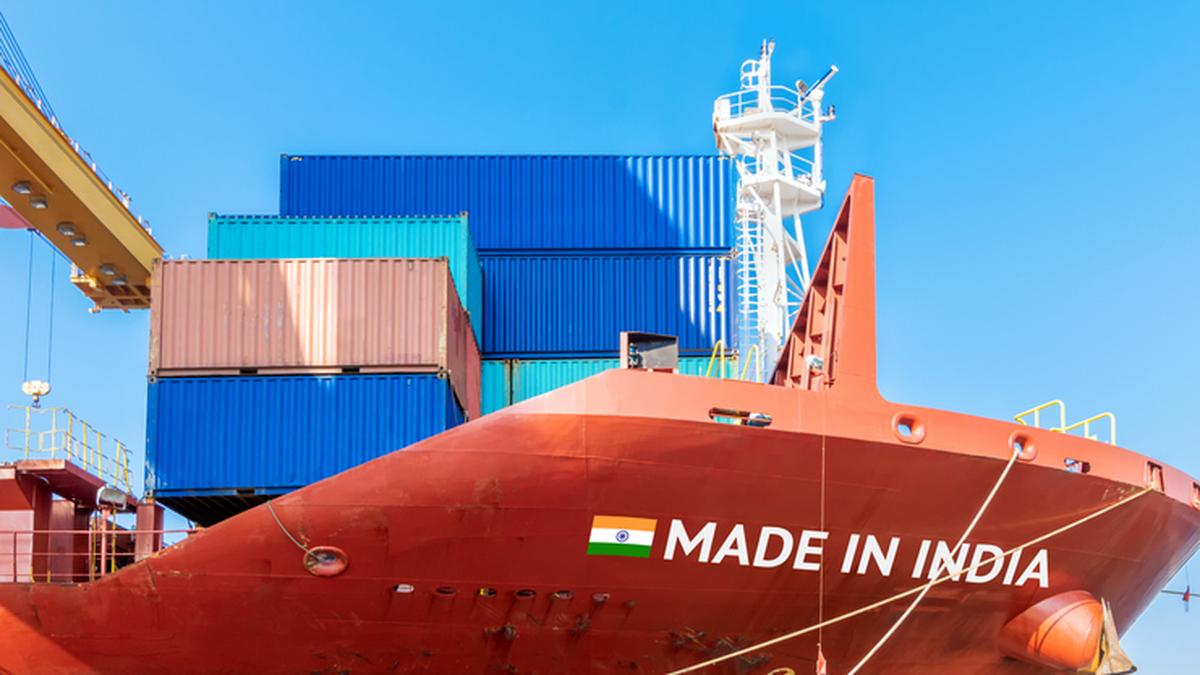
India’s bilateral trade in goods with the EU was $136.53 billion in 2024-25 (exports worth $75.85 billion and imports worth $60.68 billion), making it the largest trading partner for goods.
The EU market accounts for about 17% of India’s total exports, and the bloc’s exports to India constitute 9% of its total overseas shipments.
Federation of Indian Export Organisations (FIEO) Director General Ajay Sahai said the EU has withdrawn GSP tariff preferences on nearly 87% of Indian exports, requiring most products to now enter at full MFN duty rates and eliminating an average of around 20% tariff advantage earlier enjoyed by Indian exporters.
“This has materially weakened India’s price competitiveness vis-a-vis suppliers such as Bangladesh and Vietnam, which continue to benefit from duty-free or lower-duty access,” Mr. Sahai said.
He said the impact is most pronounced for industrial exports, including minerals, chemicals, plastics, iron and steel, machinery, and electrical goods, which constitute a major share of India’s shipments to the EU and are now fully exposed to tariffs.
He added that preferential access is now limited to a small basket of products, mainly select agricultural items, leather goods, and handicrafts, together accounting for less than 13% of India’s total exports to the EU.