


Monsoon may cool the weather, but it can worsen asthma symptoms. PDr Loveleen Mangla explains why flare-ups increase and shares 10 precautions to stay safe.
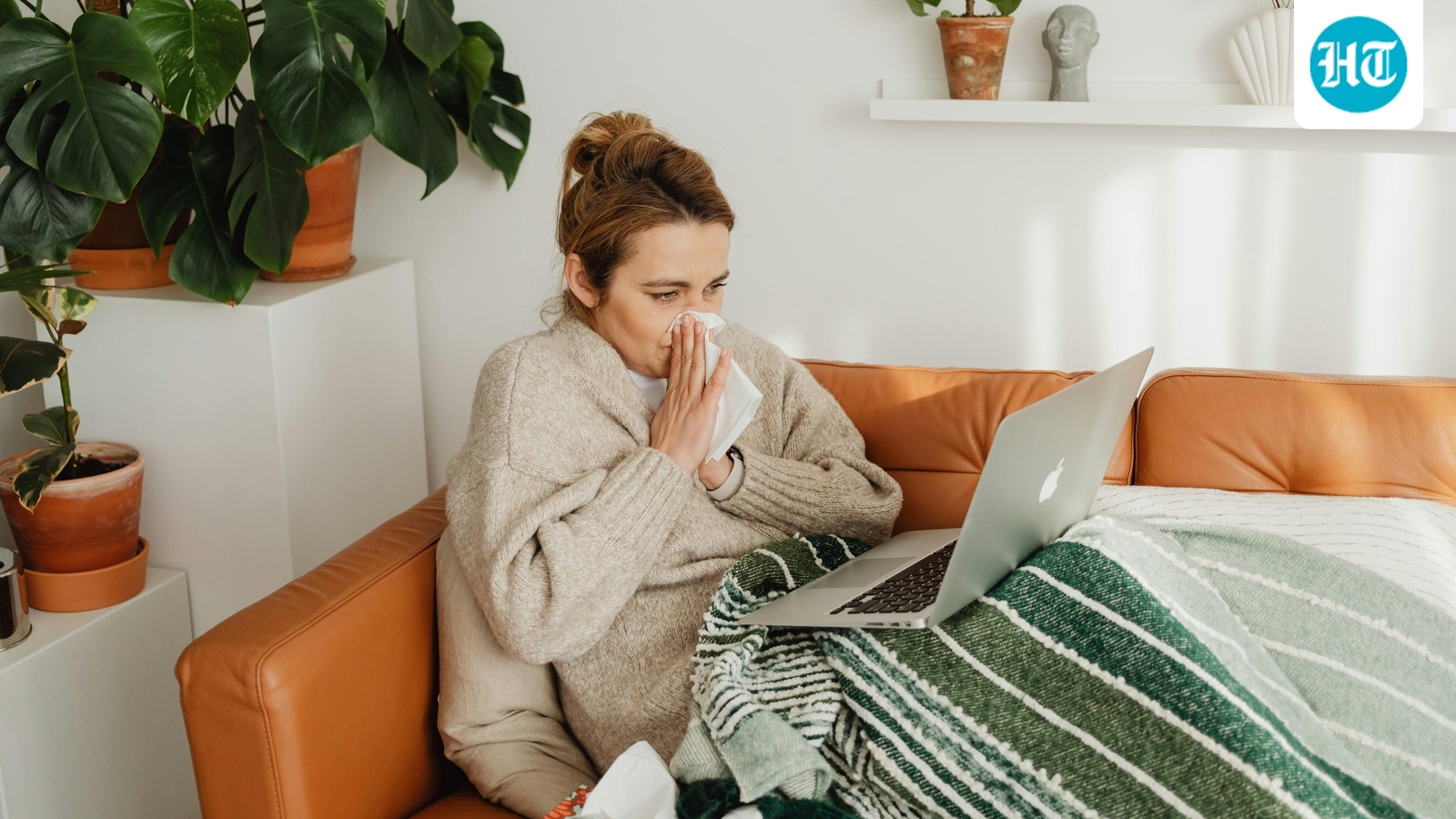
During the monsoon, viral infections can trigger asthma attacks. I (Pexel)
Why does asthma worsen during the monsoon
According to Dr Loveleen Mangla, “Asthma is a chronic lung condition that requires regular medication. Increased humidity can lead to airway inflammation and bronchoconstriction, making it harder for people with asthma to breathe.”
He explains that “High moisture levels create an ideal environment for mould and dust mites, which are common asthma triggers. Humidity can also increase mucus production and sweating, while symptoms such as coughing and wheezing often become worse in humid conditions.”
Dr Mangla further adds, “During the rainy season, cold breezes and damp weather can trigger asthma attacks. While this weather may be normal for healthy individuals, bronchial asthma patients, especially those already experiencing an exacerbation, may develop severe symptoms such as cough, breathlessness, wheezing and even fever.”
Asthma is a chronic condition of the lower airways, the bronchial tubes in the lungs. (Unsplash)
Precautions asthma patients should take during the rainy season
1. Stay indoors as much as possible
Dr Mangla advises, “Staying indoors is important, especially during heavy rain and thunderstorms, as these can trigger asthma symptoms. If you’re using an air conditioner, adjust the flaps so the cool air does not blow directly onto your face, as this may worsen symptoms.”
2. Keep your home dry and mould-free
“Avoiding exposure to mould and allergens is essential,” he says. “Check walls, doors and damp corners for mould growth and remove it promptly. Keeping your home clean and dry helps reduce exposure to asthma triggers.”
3. Reduce indoor humidity
According to Dr Mangla, “Using a dehumidifier can help reduce excess moisture indoors, making the environment less favourable for mould and dust mites.”
4. Avoid common asthma triggers
He recommends, “Stay away from old buildings, piles of wet leaves, mud, dust and other damp environments, as these can aggravate asthma symptoms.”
5. Continue taking prescribed medications
Dr Mangla stresses, “Continue taking your prescribed medications regularly. Metered-dose inhalers (MDIs) and dry powder inhalers (DPIs) are not a habit—they are a necessity, especially during the rainy season. If symptoms worsen, consult a pulmonologist without delay.”
Viral infections are common during the rainy season and are a major trigger for asthma flare-ups. (Photo by Andrea Piacquadio on Pexels)
6. Protect yourself from viral infections
“Viral infections are a common trigger for asthma attacks during the monsoon,” he says. “Try to stay away from people who are unwell and maintain good hygiene to reduce your risk of infection.”
7. Wear a mask outdoors
Dr Mangla advises, “If you need to step outside, wear a face mask. It helps reduce exposure to fungal spores, dust, pollen and other airborne allergens that are more common during the rainy season.”
8. Avoid very cold foods and drinks
He adds, “Cold drinks and ice creams may aggravate asthma symptoms in some individuals, so it is best to avoid them during the monsoon.”
9. Plan outdoor activities carefully
According to Dr Mangla, “Outdoor allergens such as dust and pollen can still trigger asthma. If possible, plan outdoor activities when pollen levels are lower and always wear a mask while outdoors.”
10. Eat a healthy, balanced diet
Finally, Dr Mangla says, “A balanced and nutritious diet supports the immune system, helps reduce inflammation and may improve overall respiratory health, making it easier to manage asthma symptoms.”
Dr Loveleen Mangla is a Senior Consultant & HOD, Unit 2, Respiratory, Critical Care and Sleep Medicine at Metro Heart Institute with Multispecialty, Faridabad, with over 15 years of experience in pulmonology. He specialises in interventional pulmonology, sleep medicine and the management of complex respiratory disorders, including interstitial lung disease (ILD).
Note to readers: This article is for informational purposes only and not a substitute for professional medical advice. Always seek the advice of your doctor with any questions about a medical condition.
Akanksha Agnihotri is a lifestyle journalist with over 3 years of experience. She is a psychology graduate and holds a postgraduate diploma in Radio and Television Journalism from the Indian Institute of Mass Communication, Delhi, where she graduated as a gold medalist. Originally from Bhopal, the beautiful capital of Madhya Pradesh, she draws inspiration from the city’s rich cultural heritage and layered storytelling traditions that subtly shape her narrative voice. She writes extensively about fashion, beauty, health, relationships, culture, and food, exploring everything from trending styles and runway moments to wellness routines and mindful living. Passionate about meaningful and candid conversations, she enjoys interviewing celebrities, doctors, designers, and film personalities, diving into discussions on fitness, beauty, mental health, and everything fun in between. With a keen eye for trends and a thoughtful understanding of human behaviour, she brings depth, sensitivity, and authenticity to her stories, ensuring they resonate with a wide and diverse audience. When she’s not working, you’ll usually find her lost in a book, planning her next mountain trek, or mapping out spontaneous travel escapes. She loves discovering new authors, revisiting old favourites, and spending quiet afternoons in museums soaking in art, history, and culture. An avid bird-watching enthusiast, she finds joy in early morning walks, spotting rare birds, and reconnecting with nature. Whether sipping coffee while journaling her thoughts or exploring hidden corners of a new city, she constantly seeks inspiration in everyday moments that often turn into compelling story ideas.Read More