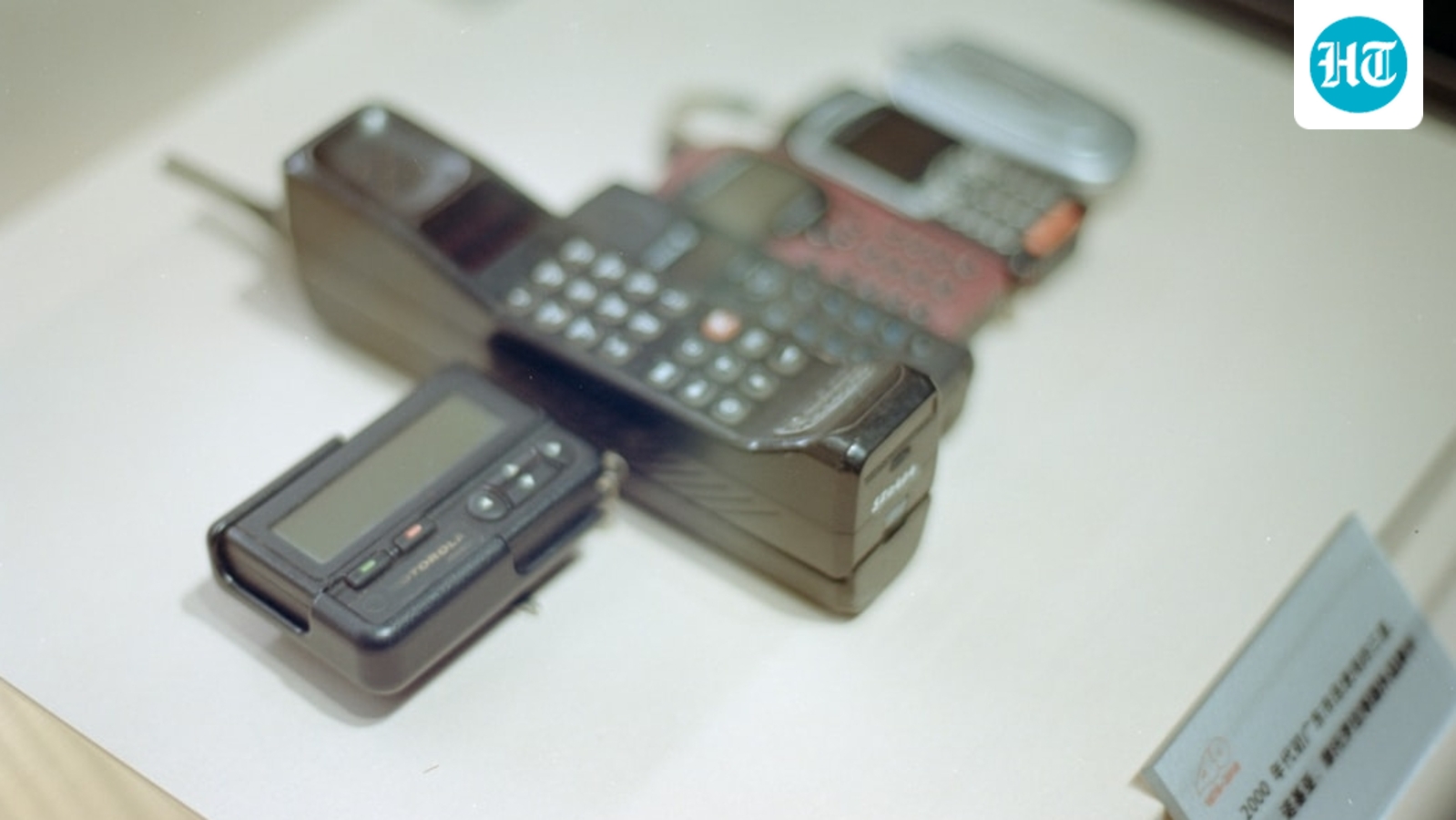

This is not the first time that a foreign national has been arrested for possession of a satellite phone in India. (Representative image)
Another person, who was accompanying the US national, was also detained at the airport but was apparently let go after interrogation.
This is not the first time that a foreign national has been arrested for possession of a satellite phone in India. But this begs a question: Is the use of such devices banned in the country? And if so, why?
Are satellite phones banned in India?
While satellite phones are not “banned” in India in the sense of being entirely illegal, their use is heavily restricted.
According to the Telecommunications Act 2023, a satellite phone cannot be legally operated in the country without a prior license or a No Objection Certificate (NOC) from the Department of Telecommunications (DoT).
Even after that, only satellite services provided by BSNL (Inmarsat) are generally permissible with the appropriate permits. The use of any other satellite phones, like Thuraya and Iridium, is completely banned.
For foreign nationals, any satellite phone brought into the country must be declared at the customs department. Failure to do so might result in heavy fines and even arrest. Countries like the United States and the UK have issued advisories to their citizens in this regard.
“The Department of State urgently advises US citizens not to bring satellite phones or GPS devices when travelling to or through India. This does not include regular cell phones. Failure to comply can result in immediate arrest, large fines, the confiscation of the device, deportation, and significant travel delays,” the US State Department said in a 2025 notice.
Why is the use of satellite phones restricted in India?
The use of satellite phones is heavily restricted in India due to national security concerns. Such devices pose significant challenges for law enforcement and intelligence agencies, as they bypass local telecommunications infrastructure.
Authorities in sensitive areas like Jammu and Kashmir have a “zero tolerance” policy regarding such devices to prevent insurgents from using unmonitored communication lines.
The security protocols regarding satellite phones were significantly tightened following the 2008 Mumbai terror attacks. During the horrific siege, terrorists used Thuraya satellite phones to communicate with handlers in Pakistan, making it difficult for Indian authorities to track and intercept their coordination in real time.